
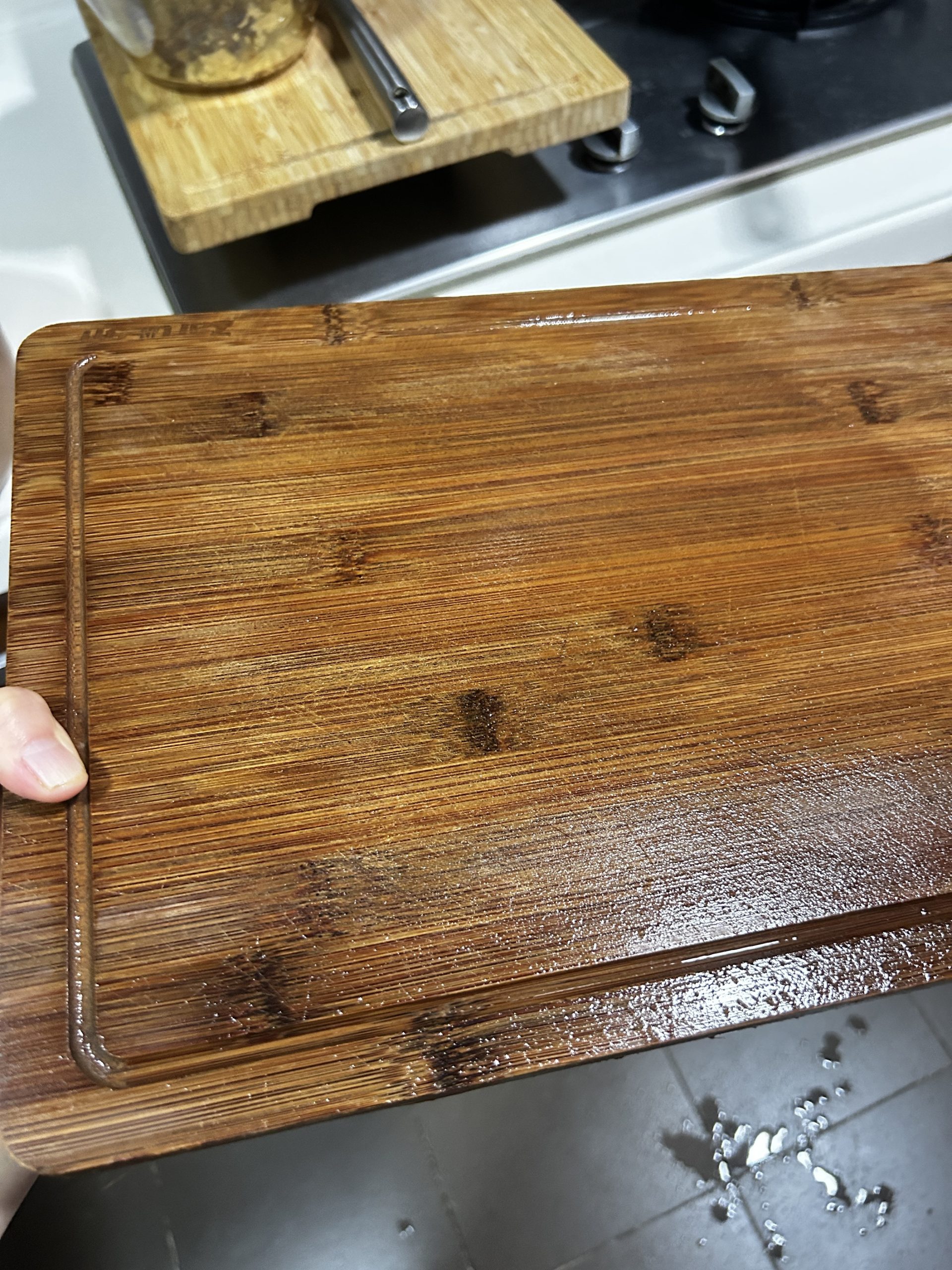
Deep carbonized bamboo cutting boards are treated at higher temperatures than regular carbonized bamboo, giving the bamboo a darker appearance and improved stability. After using one at home for around 10 months, I found it noticeably more resistant to mold than the regular bamboo cutting boards I had used before.
This cutting board was actually a customer’s product sample that I brought home from our factory. I did not give it any special maintenance or treatment. I simply washed it after each use and let it dry naturally.
After 10 months of daily use, my biggest impression is:
It is much more resistant to mold compared with regular bamboo cutting boards.

For buyers looking for this type of board, you can view our deep carbonized bamboo cutting board set for OEM and private label projects.
My Real Experience: Less Mold, Less Maintenance
Before using this deep carbonized bamboo cutting board, I normally used regular bamboo cutting boards at home.
However, after about 2–3 months, I often noticed mold starting to appear, especially during humid weather. Even with regular cleaning and drying, moisture could still affect the surface over time.
But this deep carbonized bamboo cutting board has performed much better.
After nearly 10 months of use, I have not experienced mold problems. The only reason I am planning to replace it now is because it has accumulated many knife marks after countless meals and daily cooking.
For a cutting board, I think 10 months of heavy household use is already a great performance.
It has completed its mission — and honestly, I do not feel bad replacing it because bamboo is a natural and sustainable material.
What Makes Deep Carbonized Bamboo Different?
Deep carbonization is a process that uses high-temperature treatment to improve bamboo’s stability and durability.
Compared with regular carbonized bamboo, deep carbonized bamboo has:
1. Better Moisture Resistance
The high-temperature treatment reduces the bamboo’s natural moisture absorption, helping the cutting board stay drier and making it less likely to develop mold.
This is especially important for kitchens in humid areas.
2. A Beautiful Natural Color
Deep carbonized bamboo has a richer, darker color with a premium wood-like appearance.
It brings a warmer and more elegant feeling to the kitchen while still keeping the natural beauty of bamboo.
3. Improved Stability
Bamboo naturally contains moisture and can expand or shrink with changes in humidity.
Deep carbonization helps improve dimensional stability, making the cutting board more durable during daily use.
Why Choose Bamboo Instead of Other Materials?
A cutting board is something we use every day, and choosing the right material matters.
Bamboo vs. Wood
Traditional hardwood cutting boards are beautiful and durable, but many hardwood trees have a much longer growth cycle.
Bamboo grows much faster, making it a more renewable choice.
Bamboo vs. Plastic
Plastic cutting boards are affordable, but watching microplastics entering our food chain. you are not eating food but microplastics!
Bamboo vs. Stainless Steel
Stainless steel cutting boards are extremely durable, but they are too hard for knives and can quickly damage the blade edge.
Bamboo provides a better balance — durable enough for daily cooking while being gentler on knives.
Deep Carbonized Bamboo: A Better Choice for Modern Kitchens
For me, a good cutting board should be:
✔ Natural
✔ Sustainable
✔ Knife-friendly
✔ Easy to maintain
✔ Resistant to moisture and mold
Deep carbonized bamboo improves one of the biggest weaknesses of traditional bamboo cutting boards — moisture and mold resistance.
After using one personally for 10 months, I can say this is not just a product I manufacture. It is a product I genuinely enjoy using in my own kitchen.
And that is why I recommend deep carbonized bamboo cutting boards.


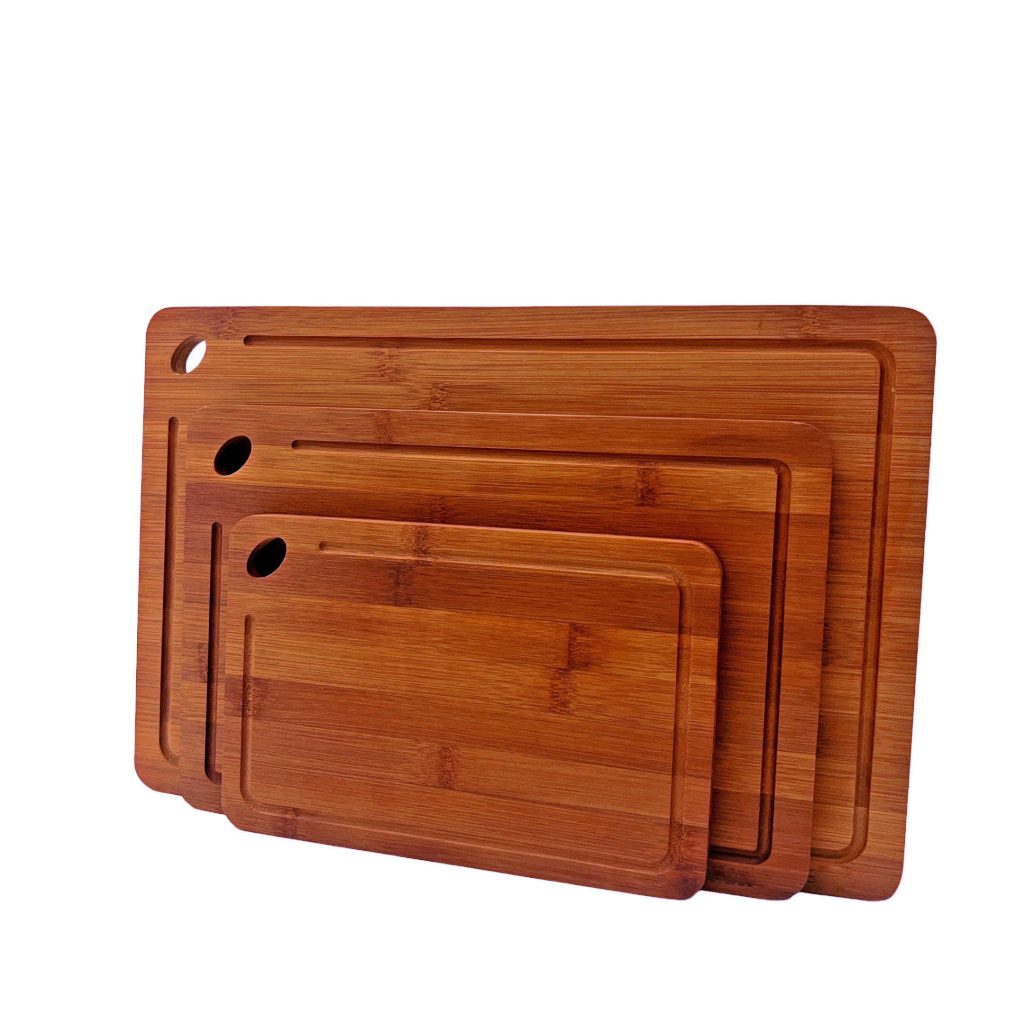
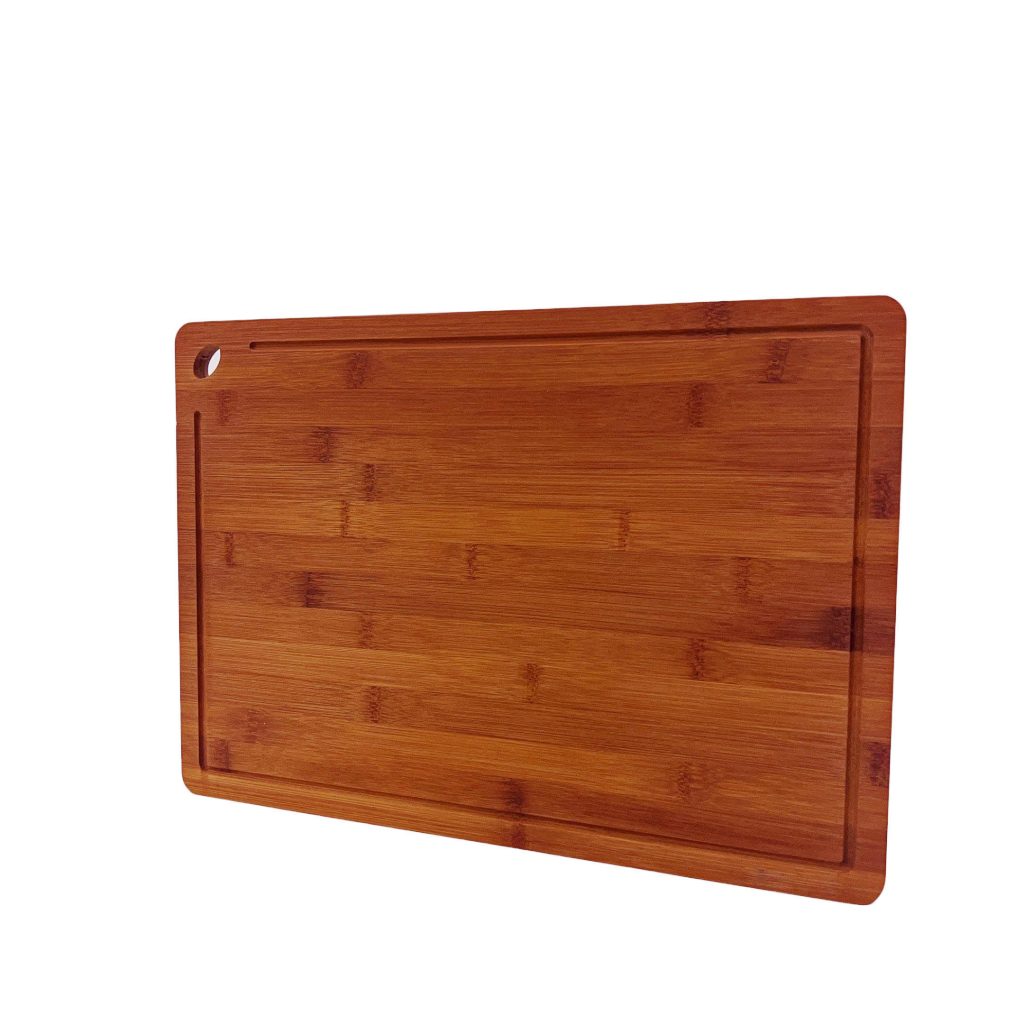
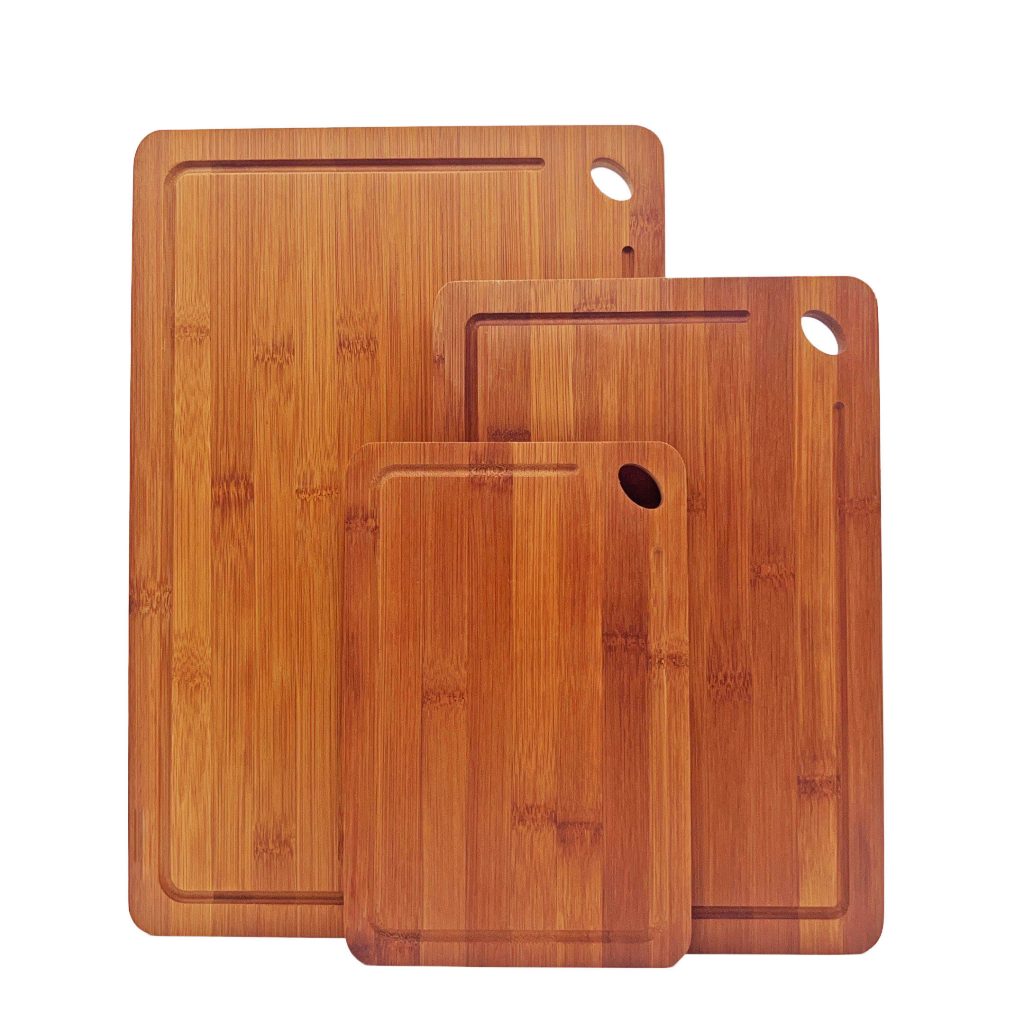

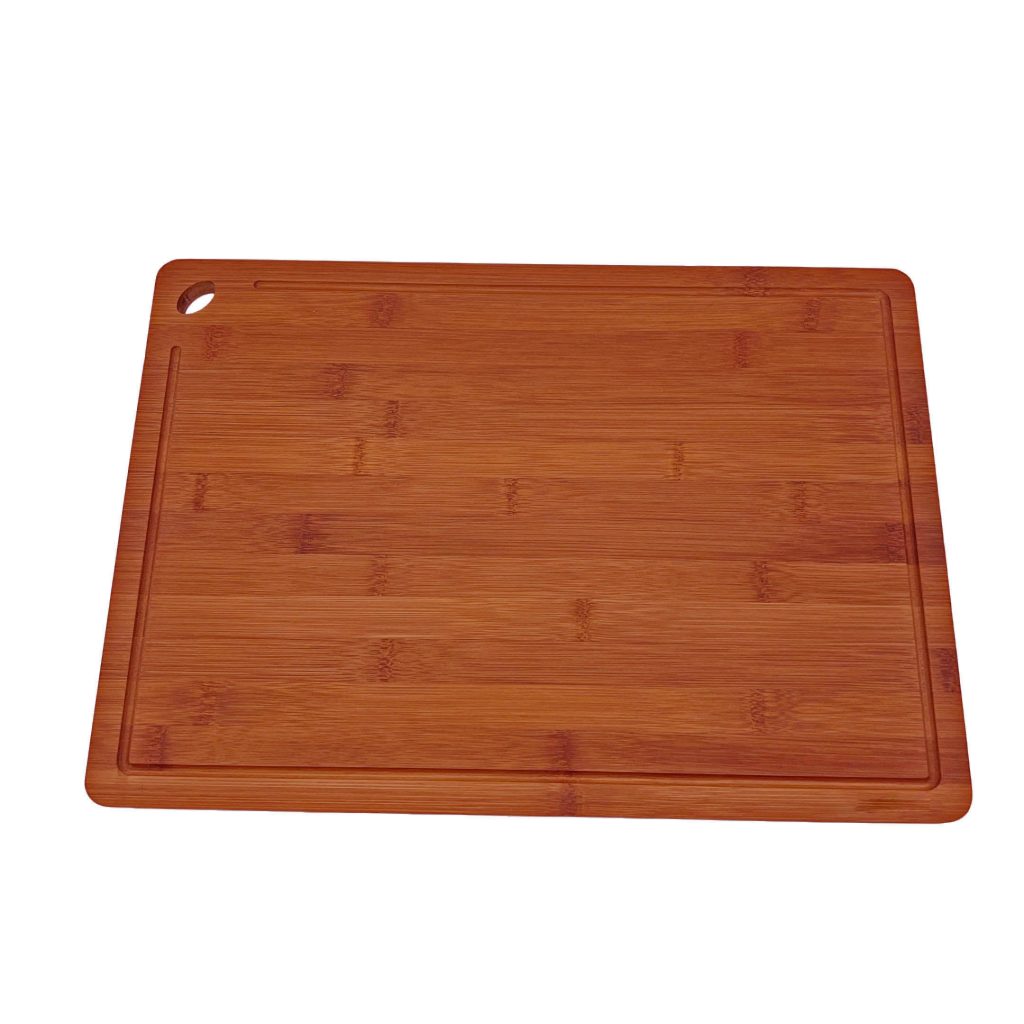
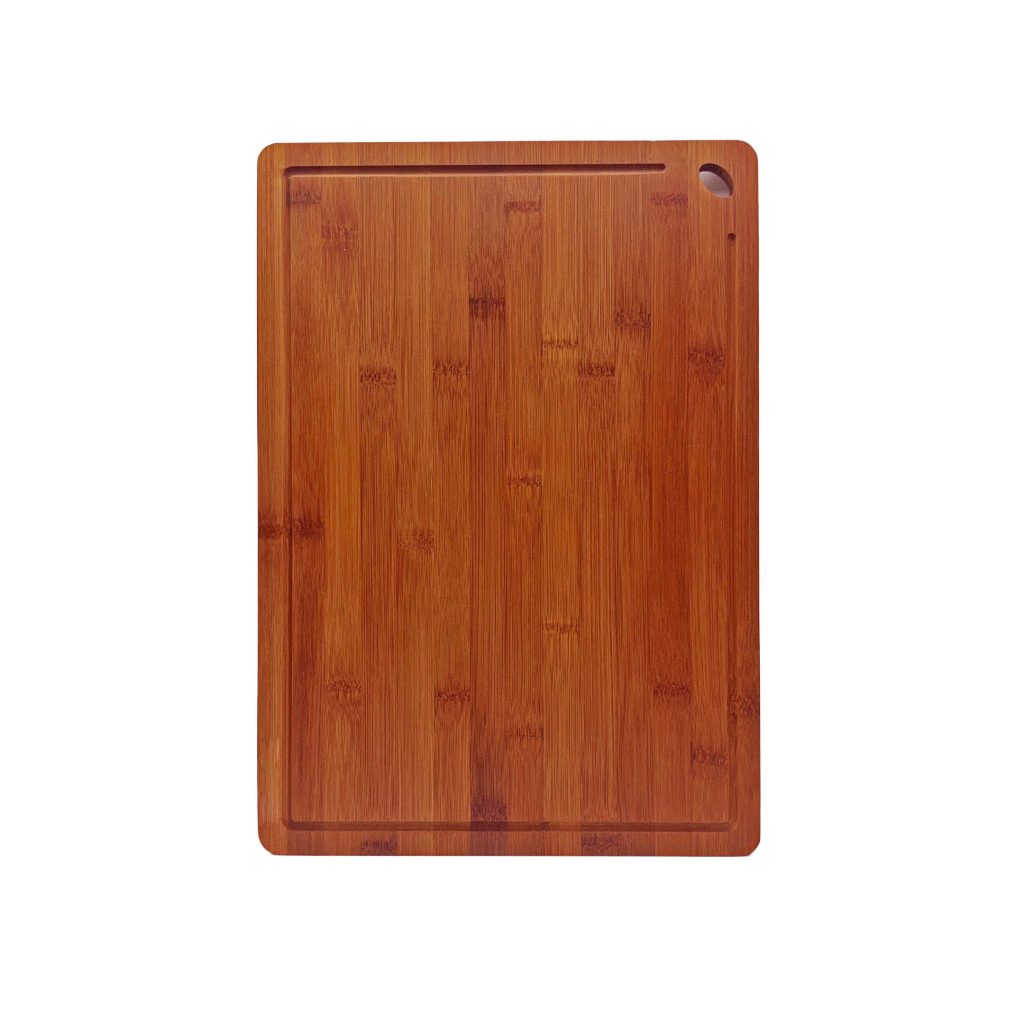
Bamboo Cutting Board with Deep Juice Grooves
-
Set includes 3 sizes for versatile use
-
Made from eco-friendly, deep carbonized bamboo
-
Naturally antibacterial and knife-friendly
-
Juice grooves to catch liquids
-
Easy to clean and built to last